Growing Futures Alongside Coffee: Guatemala’s Coffee Kindergartens
The road to Guatemala’s coffee regions is rarely straight. It winds through dry forest and pine-covered ridges, past roadside tiendas with hand-painted signs and families waiting for rides under shade trees. Climb higher, and the air cools; the landscape shifts to steep hillsides stitched with rows of coffee, woven between rocks and maize.
In places like Huehuetenango and Ayarza, coffee isn’t just a crop, it’s the frame around which entire communities live. The harvest defines the season: a period of movement, of labour, of hopes stacked into jute sacks bound for ports.
But behind the harvest is another story, one that’s not always visible to those of us buying coffee from afar.
The Problem That’s Hard to See
In rural Guatemala, the coffee harvest season coincides almost exactly with school holidays. For many farming families, this creates an impossible choice. Parents must work to earn the income that sustains them through the year, but childcare options are few and far between. Children - bright, energetic, eager to learn - often find themselves at a crossroads.
It’s not exploitation in the sinister sense that the term “child labour” might evoke elsewhere. But it’s a cycle that puts vulnerable children at risk: of injury, of interrupted education, of lost potential.
The Coffee Kindergarten Model
The Kinder Coffee project was born from this reality. It’s a deceptively simple idea: if the harvest can’t change, what if the children’s environment could?
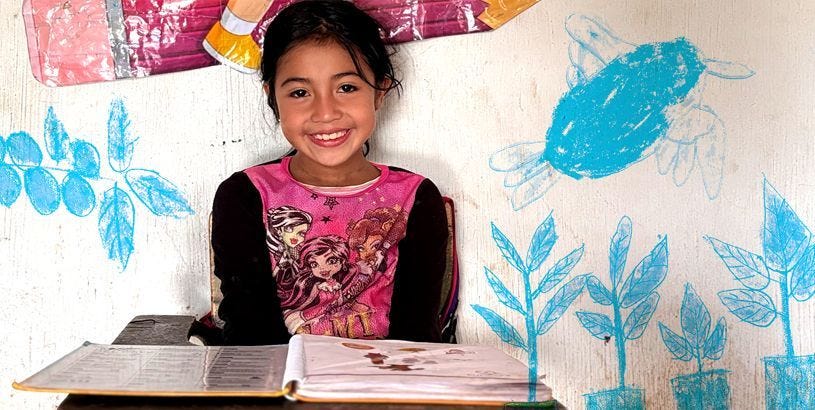
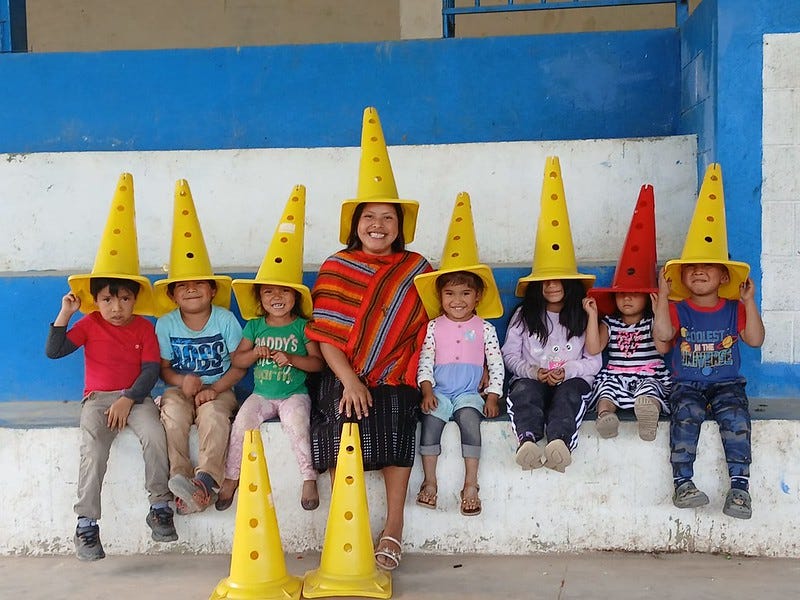
During the peak 35-day harvest period, coffee kindergartens provide free, safe, and nurturing environments for children aged 6 to 13. These are seasonal classrooms staffed by qualified local teachers, usually located in public schools. Each day, children arrive not to work, but to play, learn, and eat well.
They engage in age-appropriate lessons. They receive a nutritious meal; often their most balanced of the day. And perhaps most importantly, they are seen, supported, and safe.
What started in 2020 with just four classrooms has grown into an international programme. In the 2024–2025 harvest, 26 coffee kindergartens were active across Guatemala, supporting 448 children in 12 communities. Seven of these kindergartens were made possible by Covoya and its roasting partners, through premiums added to green coffee contracts. Furthermore, we have now established similar programs in Honduras and Nicaragua.
Support Starts with a Simple Purchase
Every single Guatemalan coffee listed on our website includes a built-in premium that supports a range of social and sustainability projects including the Coffee Kindergarten programme. There’s no need to sign up, opt in, or check a box; by simply sourcing Guatemalan coffees from Covoya, you are actively contributing to the safety and education of children in coffee communities.
We believe this model is inherently scalable. Roasters don’t need to overhaul their sourcing strategies or launch a new campaign to have a meaningful impact. It’s already happening - quietly, effectively, and with measurable results.
That said, there are still more ways to get involved. The base premium funds the core program, but there are also opportunities to deepen your engagement, whether by funding entire kindergartens, visiting the communities, or sharing the story with your customers. The door is open for as much collaboration as you’re ready for.
Stories from the Highlands
In La Fuente, a remote village in Jutiapa, parents report something powerful: peace of mind. Ercilia, a mother of three, told us how she is no longer worried about leaving her kids alone or bringing them with her into the fields. "I’m happy because my children learn, play, and eat here. It’s a huge help for us.", she says.
Sergio Cruz, another parent from Turbala, Cubulco agrees: "We’re deeply thankful for the support they’ve always given us. I’m grateful for the classes the children receive during harvest. Our kids are so happy — they have meals, snacks, and are well cared for."
These are not isolated anecdotes. Data from our recent surveys shows:
- 68% of the children’s parents work directly with ofi’s supply chain.
- 58% reported having no one else to leave their child with during harvest.
- 13% acknowledged their child would be picking coffee if the kindergarten didn’t exist.
- 48% of families said the Kinder Coffee allowed them to earn more income, knowing their children were safe.
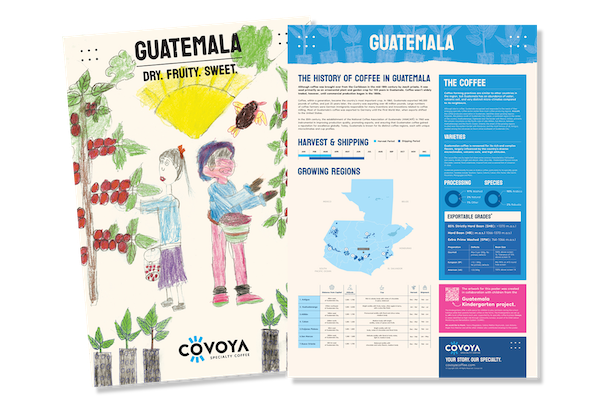
Want to learn more about Guatemalan Coffee? Download our exclusive info poster featuring artwork from the Guatemalan kindergarten children:
Why It Matters to Roasters
In specialty coffee, we often talk about traceability and transparency. We want to know who grew the coffee, how it was processed, what the varietal is. But just as important is the question: what are we contributing to the communities that make this possible?
Every kindergarten costs around $2,500 USD to run for a harvest season. That’s about the price of a small microlot. And yet, the impact is outsized. Each one supports roughly 20 children and their families. It provides jobs for local teachers. It strengthens community trust. It ensures children are playing, laughing, and learning, when they could otherwise be working.
By funding these Kindergartens, roasters are doing more than sourcing high-quality coffee; they are directly preventing harm and enabling opportunity. They are helping to rewrite what harvest season means for the next generation.
Partnership in Practice
"Collaboration" is a buzzword used a lot in specialty coffee. Sometimes it even feels as if it has lost its meaning through overuse. But collaboration is not only one of our core values, it is critical to our identity. The story of Guatemala's coffee kindergartens is one of collaboration in action. It’s a model that shows what’s possible when importers, roasters, and producing communities align their goals, not just around flavour notes and scores, but around the shared dignity of work and childhood.
By adding a small, transparent premium to green coffee contracts, Covoya and ofi are able to scale this model. With roaster support, we’re targeting 30 Coffee Kindergartens in Guatemala alone for the 2025/26 harvest, serving an estimated 600 children.
And every time a roasting partner says 'yes', another community can say their children are protected.
Want to Learn More?
Watch our short film about the project below
Or get in touch with us directly at collaboration@covoya.com to discuss how you can fund a kindergarten for the next harvest season.